
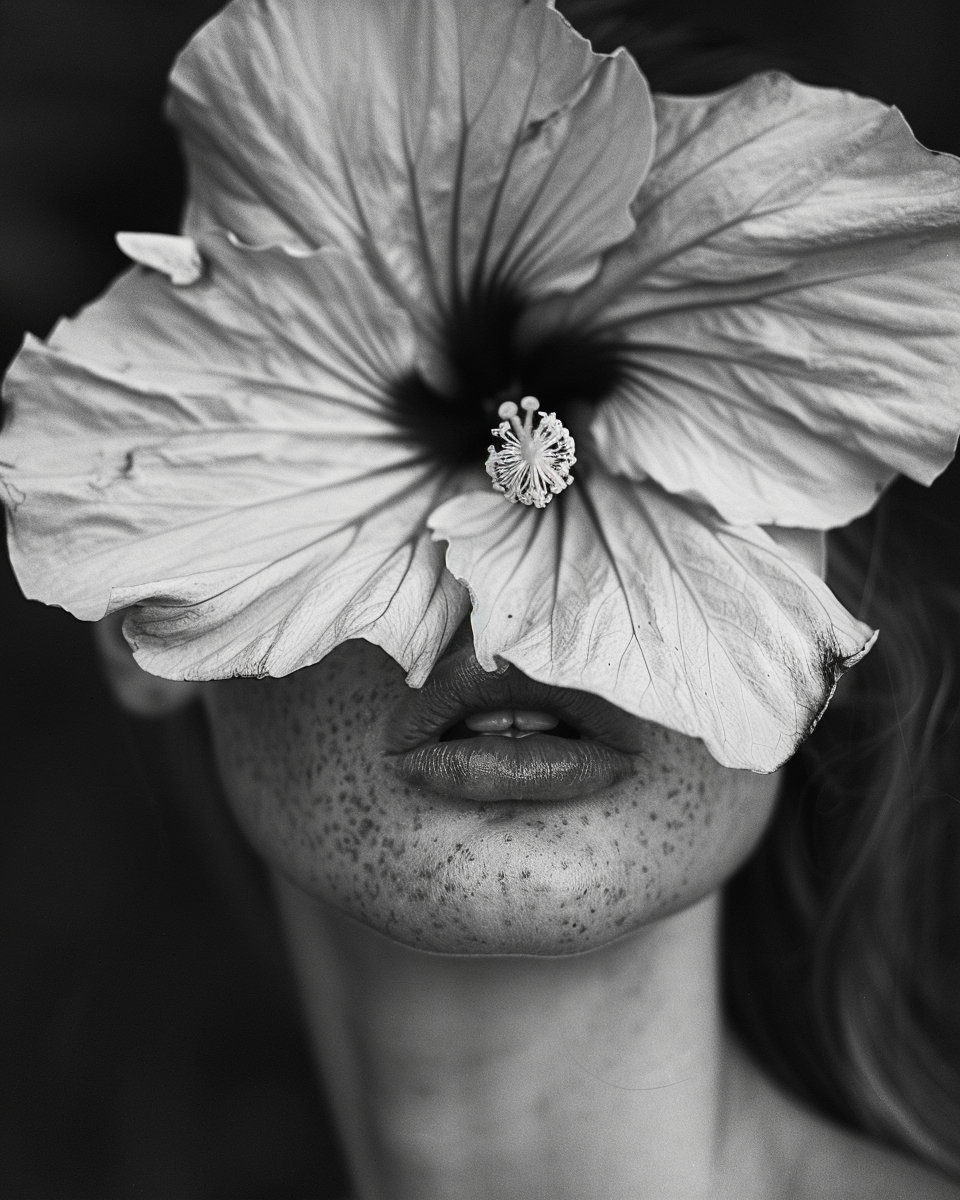



Why 2026 Is the Year of Emotional Fragrance and Neuroscience-Based Scent
For most of its modern history, fragrance has been sold on one promise: smell good.
Smell expensive. Smell attractive. Smell like a particular version of yourself you wanted to project to the world. The entire category was built around the impression — how a scent made you appear to others.
Something fundamental has changed.
In 2026, the question people are asking about fragrance is no longer only "how does this make me smell?" It is increasingly "how does this make me feel?" That shift — subtle in language, seismic in implication — is reshaping the entire fragrance industry. And it is the defining story in fragrance trends 2026.
This is the year emotional fragrance and neuroscience-based scent moved from a niche curiosity to the center of the conversation. Not as a marketing gimmick, but as a genuine reorientation of what fragrance is for.
This is not a claim that fragrance treats emotional conditions or replaces wellbeing support of any kind. Scent does not work that way, and the most credible voices in this space are careful to say so. What is happening is a recognition — grounded in real neuroscience — that scent has a meaningful relationship with mood, memory, and emotional atmosphere, and that fragrance can be designed with that relationship in mind.
Here is why 2026 is the year it all came together.
Quick Answer: What Are the Biggest Fragrance Trends of 2026?
The defining fragrance trends 2026 center on a shift from fragrance as impression to fragrance as experience:
-
Emotional and functional fragrance — scent designed to support mood, calm, focus, and emotional connection and wellbeing, not only to smell pleasant
-
Neuroscience-based scent — brands using olfactory and neuroscience research to inform fragrance design
-
The fragrance wardrobe — different scents for different moods and moments, rather than one signature scent
-
Savory gourmands — the ultra-sweet gourmand giving way to sophisticated, savory, umami-rich profiles
-
Quiet, skin-close fragrance — intimate, personal scents replacing loud, projecting ones
-
Allergen-aware formulation — safety and transparency now built in from the start, not added later
What unites these movements is a single idea: scent is becoming personal, emotional, and meaningful — less about being noticed and more about being felt.
The Shift That Defines 2026: From Impression to Emotion
The clearest way to understand what is happening in fragrance right now is to look at how consumers describe their own purchases.
Where consumers used to choose fragrance by brand or note profile, today they increasingly choose it by mood. This is not a subtle preference shift. It is a change in the fundamental question a person asks when they reach for a fragrance.
The market data reflects it. Fragrance has been beauty's fastest-growing category in recent years, and the momentum is not slowing. According to Euromonitor, fragrance is forecast to drive nearly a quarter of total beauty growth between 2024 and 2029. The global functional fragrances segment specifically is expected to be worth around USD 12 billion in 2026 and is projected to reach over USD 20 billion by 2035.
Some retailers are seeing this shift directly in their data. According to one retailer's 2026 loyalty data, 46% of customers now classify fragrance as a "self-treat" purchase, second only to bath products.
The language of the industry has changed with it. Fragrance is increasingly discussed not as an accessory, but as a tool — something used with intention to shape how a person feels and moves through their day.
That is the heart of emotional fragrance. And 2026 is the year it became the mainstream story rather than the niche one.
Why Neuroscience Is Driving the Movement
The emotional fragrance movement is not built on marketing alone. It rests on a genuine and increasingly well-understood scientific foundation.
The core insight is one that has appeared throughout the study of olfaction: smell has a uniquely direct relationship with the brain's emotional centres. Of all the human senses, smell is the only one whose signals travel directly to the limbic system — the brain's emotional and memory processing centre — without first passing through the thalamus. This direct pathway is why scent can influence emotion more immediately than most other sensory inputs.
What is new in 2026 is not this understanding itself, but the seriousness with which the industry is applying it.
Major fragrance houses are now investing in neuroscience research to inform their work. Some brands are using technologies that assess the emotional benefits of scent materials, including functional magnetic resonance imaging and neurosignalling, to understand emotional responses to fragrance at a neurological level. IFF's Science of Wellness platform combines AI and advanced neuroscience to design scents oriented toward specific emotional or cognitive experiences such as mindfulness, relaxation, and joy.
The precision is increasing, too. Industry leaders describe a move beyond general mood support toward fragrances designed for more specific outcomes — focus, deeper rest, and nervous-system grounding — reflecting a broader cultural shift toward nervous-system care and small, everyday rituals that create a sense of balance.
This is what separates the current moment from previous wellness-fragrance waves. The emerging category is increasingly described as neuroperfumery — fragrances designed using neuroscience research to work toward specific emotional and physiological responses.
The term neuroscience perfume reflects this shift. It does not mean fragrance that has been clinically proven to alter the brain. It means fragrance designed with reference to what neuroscience understands about how scent, emotion, and memory interact — a more rigorous starting point than tradition or aesthetics alone.
What Is Emotional Fragrance?
Emotional fragrance is scent designed with emotional experience as a primary intention — not simply as a pleasant afterthought.
It sits within the broader functional fragrance movement. Functional fragrance refers to scents intentionally designed to influence mood, emotional state, or a sense of wellbeing rather than simply to smell pleasant — an approach rooted in olfactory psychology and the study of how scent and emotion interact.
The distinction from traditional perfume is one of the starting points.
A traditional perfume is designed around how it smells and how it makes the wearer appear. An emotional fragrance is designed around how it fits a particular emotional context — the calm of an evening, the focus of a work session, the warmth of a moment of connection.
Both can be beautiful. The difference is intention.
Importantly, emotional fragrance does not claim to manufacture emotions or treat emotional difficulty. What it does is work with the genuine connection between scent and feeling — becoming a cue that, through consistent use, the mind associates with a particular emotional state. The fragrance supports the emotion. It does not create it from nothing.
This is the honest version of the emotional fragrance idea. And it is the version driving the most credible brands in 2026.
The Wellness Fragrance Trend: Scent as a Daily Tool
The wellness fragrance trend is perhaps the clearest expression of how fragrance's role has changed.
As we move through 2026, wellness has evolved from a peripheral lifestyle choice into a central organising principle for many people. Within that transformation, fragrance has shifted from luxury accessory to a recognised wellness tool.
This reframing changes how fragrance is used. Consumers are increasingly using scent to ground themselves, reset their energy, or support a calming routine — gravitating toward fragrances that feel like rituals rather than accessories.
It also changes what "clean" means in the market. For years, clean formulation was a primary selling point. In 2026, that has shifted. Clean formulations remain essential, but they are no longer persuasive on their own — consumers now see safety and transparency as standard, with the real point of difference coming from storytelling, design, and emotional resonance.
The wellness fragrance trend also reflects a broader cultural moment. In an era marked by instability, there is rising demand for scents that feel uplifting and emotionally supportive — with emotional wellbeing becoming a psychological need that fragrance is increasingly being designed to address. Some industry leaders now describe joy itself as an active ingredient: an era of instability has made moments of levity, spontaneity, and connection something consumers actively seek out in the scents they choose.
For many people, fragrance has become one of the most accessible wellness practices available — a small, daily ritual that fits into an existing routine without requiring anything new.
The Fragrance Wardrobe: One Scent Is No Longer Enough
One of the most practical trends of 2026 is the move away from the single signature scent.
Consumers are building "fragrance wardrobes" — selecting different scents for various events, moods, or seasons, a behaviour especially strong among younger consumers. Increasingly, this is described as "scent wardrobing": building collections for specific contexts rather than one signature scent, and treating fragrance as functional infrastructure for creating the right environment in a moment rather than as a fixed identity marker.
This is a natural consequence of the emotional fragrance shift. If fragrance is chosen by mood rather than by identity, then one scent cannot serve every mood. A person needs a calming scent for evening, a bright one for focus, a warm one for closeness.
The fragrance wardrobe also reflects a change in fragrance structure itself. Dense, heavy fragrances built from many competing notes are losing ground to cleaner, more linear compositions — in part because you cannot layer or combine a "shouting" fragrance. Scents that play well within a wardrobe need room to breathe. At the same time, fragrance layering, or "scent stacking," has become a personalisation ritual in its own right — blending top, heart, and base notes to build a custom accord that exists nowhere else.
This connects to another defining trend: the rise of quiet, close-to-skin fragrance. There is a clear move toward intentional, close-to-skin scents that last — reflecting broader cultural signals like "quiet luxury" and a fatigue with overstimulation. Increasingly, quiet fragrance is read as a status signal in itself, expressed through sheerer structures, "less but better" compositions, and skin-friendly materials that read as premium.
The loud, room-filling fragrance that announced a person before they arrived is giving way to something more personal. A scent discovered up close, by the people actually near you, rather than broadcast to everyone in range.
The Scent Directions Defining 2026
Alongside the shift in how fragrance is used, the actual scent profiles gaining ground in 2026 reflect the same emotional, grounded sensibility.
Savory Gourmands
The gourmand is undergoing its most dramatic transformation yet. The ultra-sweet, candy-inspired profiles of recent years are losing momentum in favour of savoury, starchy, toasted, and umami-rich notes — pistachio, roasted chestnut, browned butter, sesame, basmati rice, tomato leaf, and fresh-baked bread — that feel warm and emotionally grounding without smelling juvenile. Sophisticated gourmands with mineral tones, herbal accents, and subtle woody depth keep the sweetness in check.
Sip-Inspired and Beverage Notes
One of the more intriguing directions is the rise of drinkable, beverage-inspired accords. Coffee, chai, matcha, tea, champagne, and juniper are being translated into scent, capturing the emotional ritual of sipping something comforting or celebratory — familiar, refined, and designed to fold into daily life.
Incense and Smoked Profiles
Incense-inspired fragrance is emerging as one of the most atmospheric movements of the year. Resinous woods, subtle smoke, and quiet warmth create scents that feel meditative and grounding — modern ritual expressed in scent form, closely aligned with the broader move toward calm and presence.
Natural and Figurative Scents
There is a growing pull toward scents that evoke nature. Hyper-urbanisation is driving a rise in figurative, natural-smelling perfumes — tea, foliage, damp mossy earth, and all kinds of fruit — as people seek olfactory connection to the natural world. Green, meditative accords are part of this same movement. Notably, many of the most compelling "natural" effects are increasingly achieved through a blend of natural and sustainable synthetic materials rather than naturals alone.
Bold but Grounded
Assertive fragrances are returning, but in a more considered form. The appetite is for emotionally grounded scents that command a room without overwhelming it — deep woods, resins, and leather softened with florals, musks, or airy accords. As one perfumer framed it, a bold fragrance should walk into the room with you, not before you.
Biotech and Sustainable Materials
The materials themselves are evolving. Innovations in biotech are opening new doors — lab-grown naturals, sustainable aroma molecules, and even regenerated notes once thought lost — giving brands unique profiles while reducing reliance on scarce or resource-heavy materials such as sandalwood.
Beyond Scent: How the Industry Itself Is Changing
The 2026 shift is not only about how fragrances smell. It is also reshaping how they are made, formulated, and brought to market.
Allergen-aware formulation. Taking a cue from skincare, fragrance consumers are more ingredient-conscious than ever. As EU fragrance-allergen labelling expands through key milestones in 2026, brands are moving toward proactive reformulation rather than reactive compliance — a structure-first approach that manages declarable allergens and sensitisers from the very beginning of the creative brief. "Sensitive by design" is emerging as a genuine premium positioning.
A spectrum, not a binary. The old "all-natural is best" default is giving way to a more pragmatic question: what is safest and least sensitising for a given use case? Naturals and synthetics are increasingly treated as tools in a risk-managed system rather than opposing camps.
AI as a design partner. AI-driven formulation tools and fragrance databases are becoming more accessible, accelerating how fragrances are developed and how natural profiles can be replicated sustainably. At the same time, industry voices note that AI is not replacing perfumers — if anything, it is raising demand for classically trained, human craft as a mark of credibility and authenticity.
Multitasking and adaptive formats. Fragrance is increasingly designed to do more — with innovations in longevity, controlled-release delivery, alcohol-free formats, and skincare-fragrance hybrids signalling a break from fragrance as a static accessory toward something that responds, adapts, and performs.
Why This Is Happening Now
The convergence of emotional fragrance, neuroscience, and wellness in 2026 is not a coincidence. Several forces have aligned.
A wellness culture at maturity. Wellness is no longer a niche or an aspiration for many people. It is a daily framework. Fragrance is being absorbed into that framework as one of its most accessible components.
A response to overstimulation. The rise of quiet, grounding, emotionally supportive fragrance is, in part, a reaction to a culture of constant stimulation. Scent that helps a person feel calm, present, or grounded meets a genuine and widely felt need.
Science catching up to intuition. The neuroscience of scent and emotion has advanced to the point where the industry can design with it, not just gesture toward it. What people have always felt intuitively about scent now has a more rigorous foundation.
A more informed consumer. People are asking better questions about the products they use — and rewarding brands that answer honestly. This has pushed fragrance toward more substance and away from empty claims.
What This Means — and What It Does Not
The emotional fragrance movement is genuinely exciting. It is also worth being clear-eyed about what it does and does not mean.
It means fragrance is being designed with more intention, more scientific grounding, and more attention to how scent fits into emotional life. It means consumers are engaging with fragrance more thoughtfully, as a tool rather than a decoration. It means the industry is moving toward more honesty and more substance.
It does not mean fragrance treats emotional conditions, cures stress, or replaces mental health support. Scent does not do these things. The most credible brands in this space are careful to make that distinction — and consumers are increasingly sophisticated enough to expect it.
The genuine promise of emotional and neuroscience-based fragrance is real, but it is bounded. Scent can support mood, memory, and atmosphere. It can become a meaningful daily ritual. It cannot do the work of wellbeing on its own — and honesty about that boundary is part of what makes the movement credible.
Neuraci and the Emotional Fragrance Movement
At Neuraci, the developments defining fragrance in 2026 are not a trend we are following. They are the reason the brand exists.
We built Neuraci around the conviction that fragrance should do more than smell beautiful — that it should be designed with genuine attention to how scent, emotion, and memory interact. Not to make clinical claims. Not to promise outcomes that outrun the science. But to create functional fragrance that becomes a meaningful, intentional part of daily life.
The shift the industry is making in 2026 — from impression to emotion, from aesthetics to intention, from marketing claims to scientific grounding — is the shift Neuraci was created to be part of.
We do not suggest our fragrances treat conditions or guarantee emotional outcomes. What we believe is that scent, designed with care and used with consistency, can support how a person wants to feel — as a quiet, personal layer woven into the texture of their day.
That is what emotional fragrance means to us. And 2026 is the year the rest of the world caught up to the idea.
Explore Neuraci's functional fragrance collection.
Key Takeaways
-
The defining story in fragrance trends 2026 is the shift from fragrance as impression to fragrance as emotional experience — people increasingly choose scent by how it makes them feel, not only how it makes them smell.
-
Emotional fragrance is scent designed with emotional experience as a primary intention, sitting within the broader functional fragrance movement rooted in neuroscience and olfactory research.
-
Neuroscience perfume reflects the industry's growing use of olfactory and neuroscience research — including fMRI-based emotional assessment and neurosignalling — to inform how fragrance is designed.
-
The wellness fragrance trend has repositioned scent from luxury accessory to daily wellness tool, with fragrance increasingly used for grounding, calm, and emotional support.
-
The fragrance wardrobe, quiet skin-close scents, savory gourmands, incense profiles, and biotech materials are among the concrete trends shaping 2026.
-
Beyond scent itself, allergen-aware formulation, AI-assisted design, and adaptive formats are reshaping how fragrance is made and brought to market.
-
Emotional and neuroscience-based fragrance supports mood, memory, and atmosphere — it does not treat conditions or replace wellbeing support, and honesty about that boundary is central to the movement's credibility.
Frequently Asked Questions
What are the biggest fragrance trends of 2026?
The defining trends of 2026 centre on the shift from fragrance as impression to fragrance as emotional experience. This includes emotional and functional fragrance designed to support mood, neuroscience-based scent development, the rise of the fragrance wardrobe, the move toward savory gourmands and incense profiles, quiet skin-close scents, and allergen-aware formulation becoming a baseline expectation. Underlying all of these is a single idea: consumers increasingly choose fragrance by how it makes them feel.
What is emotional fragrance?
Emotional fragrance is scent designed with emotional experience as a primary intention — to support a mood or state rather than only to smell pleasant. It sits within the functional fragrance movement, which draws on neuroscience and olfactory psychology. Importantly, emotional fragrance does not claim to manufacture emotions or treat emotional difficulty. It works with the genuine connection between scent and feeling, becoming a cue the mind associateSs with a particular state through consistent use.
What is a neuroscience perfume?
A neuroscience perfume is a fragrance designed with reference to what neuroscience understands about how scent, emotion, and memory interact. In 2026, this increasingly includes fragrance houses using research tools — including fMRI-based emotional assessment and neurosignalling — to inform scent design. The term does not mean a fragrance has been clinically proven to alter the brain. It means the design process is informed by olfactory and neuroscience research rather than by tradition or aesthetics alone.
Why is 2026 considered the year of emotional fragrance?
Several forces converged in 2026: a mature wellness culture that absorbed fragrance as a daily tool, a cultural reaction to overstimulation that increased demand for grounding scents, scientific understanding of scent and emotion advancing to the point where the industry could design with it, and a more informed consumer rewarding substance over empty claims. Together, these moved emotional and neuroscience-based fragrance from a niche idea to the mainstream conversation.
What is a savory gourmand?
A savory gourmand is a gourmand fragrance that moves away from sugary, dessert-like sweetness toward more sophisticated, umami-rich, and starchy notes — think pistachio, roasted chestnut, browned butter, sesame, basmati rice, and fresh-baked bread. In 2026, this is one of the defining scent directions, offering the warmth and comfort of a gourmand without the juvenile sweetness of earlier candy-inspired profiles.
Does neuroscience-based fragrance actually work?
There is genuine science behind the connection between scent, emotion, and memory — smell connects directly to the brain's limbic system, and consistent scent use genuinely builds emotional associations. Neuroscience-based fragrance applies this real mechanism through more rigorous design. What it does not do is treat emotional conditions or guarantee specific outcomes, which would overstate the evidence. It supports mood and atmosphere as one layer within a broader emotional life.
What is the wellness fragrance trend?
The wellness fragrance trend refers to the repositioning of fragrance from a luxury accessory to a recognised wellness tool used as part of a daily routine. In 2026, many consumers use scent intentionally to support calm, focus, grounding, or a sense of ritual — treating a considered fragrance purchase as a form of self-care. This trend reflects the broader integration of wellness into everyday life.
Is emotional fragrance just marketing?
The emotional fragrance movement has real scientific grounding — the connection between smell and the brain's emotional centres is well documented, and major fragrance houses are investing genuinely in neuroscience research. That said, the space also contains overclaiming, as any growing category does. The distinction between credible emotional fragrance and marketing hype comes down to honesty: whether a brand acknowledges that scent supports mood and atmosphere rather than treating conditions or guaranteeing outcomes.
How does Neuraci fit into these 2026 trends?
Neuraci was built around the ideas now defining fragrance in 2026 — designing scent with genuine attention to how fragrance, emotion, and memory interact, rather than treating scent as decoration. We create functional fragrance intended to support how a person wants to feel, without making clinical claims or promising outcomes that outrun the science. The industry's 2026 shift from impression to emotion is the movement Neuraci was created to be part of.
This article is for informational and educational purposes only. Neuraci fragrances are not intended to diagnose, treat, cure, or prevent any disease or condition, and make no claims regarding emotional, cognitive, or health outcomes. Individual responses to scent vary. This content does not constitute medical advice. If you are experiencing difficulty with mood, stress, or emotional wellbeing, please consult a qualified healthcare provider.